April – June
Spring
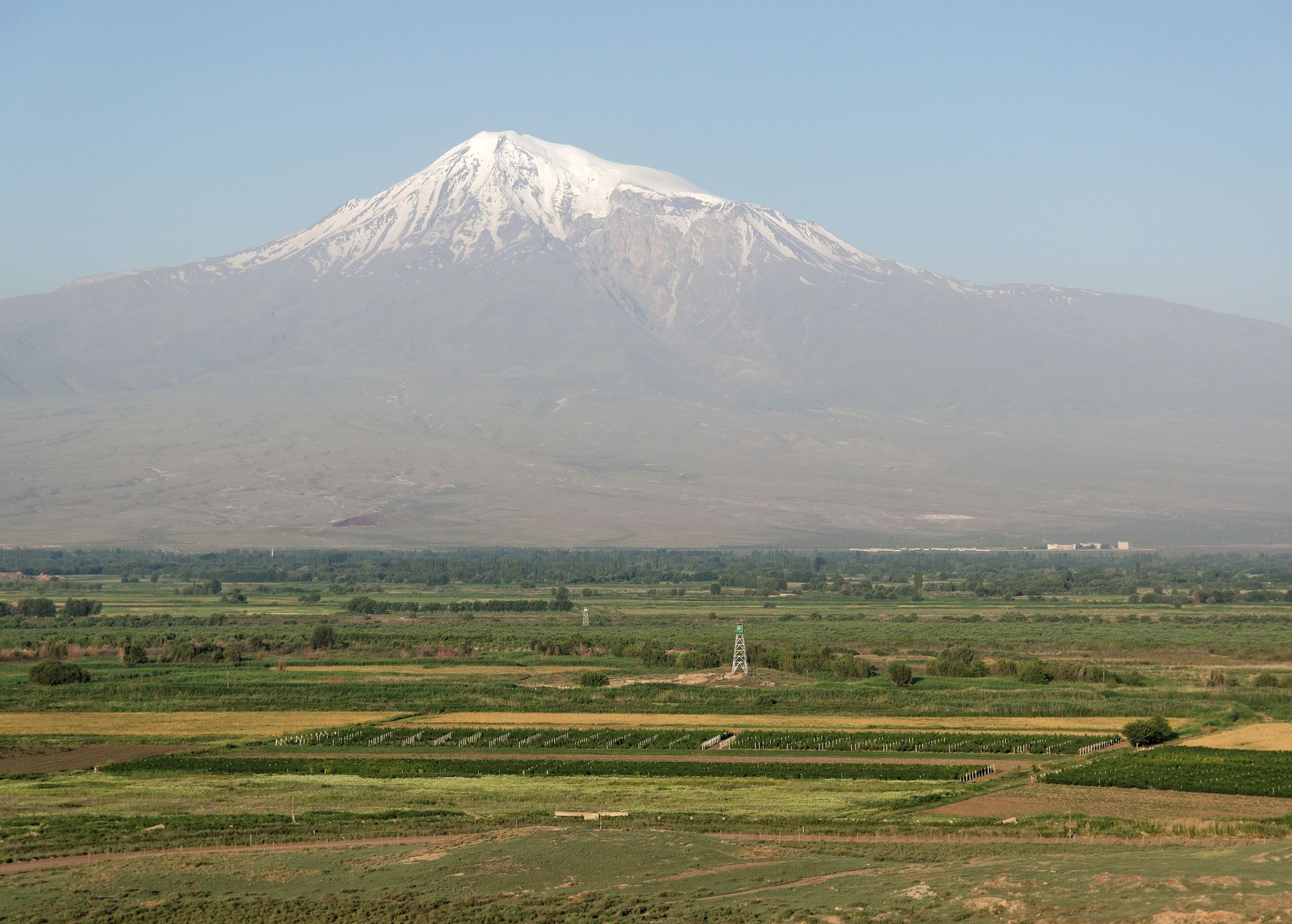
The best months, if we are honest. The plain is green, the gorges run with snowmelt, and the wildflowers on the Aragats slopes are extraordinary in late May. Ararat is at its clearest.
Yerevan 16–28°C · mountains still cold
Plan your trip
Visas, money, seasons, safety, getting here, and what the regional situation actually means for a visitor. Written plainly, and updated when things change.
01
Armenia is one of the easier countries in the region to enter.
No visa required for citizens of the European Union and Schengen area, the United Kingdom, Switzerland, the United States, Canada, Australia, New Zealand, Japan, South Korea, the United Arab Emirates, Qatar, and the CIS states including Russia, Georgia, Kazakhstan and Belarus. Stays of up to 180 days in a year are typical.
Russian citizens may enter on an internal passport as well as an international one, and there is no registration requirement for ordinary tourist stays.
Visa on arrival or e-visa is available to most other nationalities. The e-visa is applied for online and is generally issued in a few working days.
Your passport should be valid for the duration of your stay. There is no onward-ticket requirement in practice, and no vaccination requirement for travellers arriving from Europe or the CIS.
Please verify for your own passportEntry rules change, and this page is written by a tour operator rather than a consulate. Confirm the current position with the Armenian Ministry of Foreign Affairs or your nearest Armenian embassy before you travel. Tell us your nationality when you enquire and we will point you at the right page.
02
By air. Zvartnots International Airport (EVN) sits 15 km west of Yerevan and handles nearly all international traffic — direct flights from across Europe, Russia, the Gulf, Iran and the wider region. Gyumri's Shirak Airport (LWN) takes a smaller number of routes and is useful if you are starting in the north.
Flights into Yerevan have a habit of landing between two and five in the morning. That is normal here, and we meet every arrival whatever the hour — the transfer is included in all our packages.
By land from Georgia. The border at Bagratashen–Sadakhlo is open and straightforward, usually under an hour to cross. Tbilisi to Yerevan is a comfortable day by road and we run it regularly as a guided transfer through the Debed canyon, which turns a transit day into one of the better days of the trip. There is also a slow overnight train.
By land from Iran. The border at Agarak is open and used, though the drive north through Syunik is long.
The borders with Turkey and Azerbaijan are closed and have been for many years. You cannot cross into Armenia from either, and no through tickets exist.
Getting around once here. Yerevan has a small metro, plentiful buses and very cheap app-based taxis — €2–4 across the city. Between regions, marshrutka minibuses are inexpensive, slow and leave when full. For anything beyond Yerevan, a car with a driver is dramatically more comfortable and not very expensive. Renting and driving yourself is possible; the main roads are decent and mountain roads require attention.
03
Armenia has a genuinely continental climate: hot summers, cold winters, and two shoulder seasons that are close to perfect.
April – June
The best months, if we are honest. The plain is green, the gorges run with snowmelt, and the wildflowers on the Aragats slopes are extraordinary in late May. Ararat is at its clearest.
Yerevan 16–28°C · mountains still cold
July – August
Yerevan gets genuinely hot — over 35°C is normal. The answer is altitude: Sevan, Dilijan, Aragats and Jermuk are all pleasant. Ararat often hides behind haze until evening.
Yerevan 30–40°C · Sevan 22–26°C
September – October
Harvest. The wine villages are working, the forests in Tavush and Lori turn, and the light is the best of the year for photography. Our busiest season, and deservedly.
Yerevan 18–30°C · cool nights
November – March
Quiet, cheap and rather beautiful. Skiing at Tsaghkadzor, monasteries under snow with nobody in them, and long lunches. Some high roads close — Aragats and the Selim pass among them.
Yerevan −5 to 8°C · snow in the mountains
The harvest is on in the wine villages, the forests in Tavush and Lori are turning, the plain has cooled to the high twenties, and Ararat is visible most mornings. It is our busiest fortnight of the year for a reason.
The road to Kari Lake on Aragats is usually open only from mid-June to early October. The Vardenyats pass to the Selim caravanserai is snowbound from about November to April. Some high village guesthouses close entirely. Everything else — Yerevan, Garni, Geghard, Echmiadzin, Khor Virap, Sevan, Tatev — runs all year, and in winter you will often have it to yourself.
04
The currency is the Armenian dram (AMD, ֏). Cards work in most places in Yerevan and increasingly in the regions, but carry cash for village guesthouses, small cellars, market stalls and site entrances.
Exchange offices in central Yerevan give noticeably better rates than the airport or your bank at home, and they take euros, dollars and roubles without fuss. ATMs are everywhere in the city.
Armenia is inexpensive by Western European standards, and the gap is widest on food and wine.
| What | Roughly |
|---|---|
| Coffee in a Yerevan café | €1.50 – 3 |
| Lunch, casual | €6 – 12 |
| Dinner with wine, good restaurant | €15 – 30 a head |
| Bottle of good Areni wine at the cellar | €6 – 20 |
| Taxi across Yerevan | €2 – 4 |
| Museum entrance | €2 – 5 |
| 3★ hotel, double room | €40 – 70 |
| Family guesthouse with dinner | €25 – 45 |
| Shared group day tour | €19 – 49 |
| Private day with car and guide | from €99 per vehicle |
Indicative 2026 prices. Tipping is not obligatory: round up in restaurants or leave about 10%, and €5–10 per person for a guide who made your day.
05
Armenia is a safe country to travel in. Violent crime is low, Yerevan is a city where people walk home late without thinking about it, and solo women travellers generally report feeling comfortable. The ordinary precautions apply — mind your pockets in crowded markets — and very little else.
The borders with Turkey and Azerbaijan are closed. This has no practical effect on travelling inside Armenia; it simply means you arrive and leave via Georgia, Iran or the air. The borders with Georgia and Iran are open and used normally.
Travel to Nagorno-Karabakh is not possible. Following the events of September 2023 the territory came under Azerbaijani control and its Armenian population left. No tour operator can take you there. If you find one advertising it, they are not telling you the truth, and you should treat everything else they say accordingly.
None of our routes go near a contested area or a closed border, with the single exception of Khor Virap, which stands about a hundred metres from the sealed frontier with Turkey and is entirely routine to visit.
Check your own government's current travel advice — it is the only source that speaks for your insurance policy. Some advisories carry cautions about specific stretches of border road, and we will tell you plainly if anything on your itinerary touches one.
No vaccinations are required for travellers from Europe or the CIS. Tap water is safe and very good — Yerevan's comes from mountain springs, and free public drinking fountains, pulpulaks, stand on street corners across the city. Pharmacies are well stocked and many are open around the clock. The emergency number is 911.
Travel insurance is not a legal requirement but you should have it, and it must cover trekking to 4,000 metres if you are joining a hiking trip.
06
Nobody chooses Armenia for the food, and almost everybody leaves talking about it.
Thin unleavened bread slapped onto the wall of a clay tonir and out again in forty seconds. Its preparation is on UNESCO's intangible heritage list.
Barbecue, and something close to a national institution. Pork, lamb or vegetables grilled over vine cuttings, eaten wrapped in lavash with raw onion and herbs.
Rice, herbs and often minced meat wrapped in grape or cabbage leaves. Wrapping them takes everyone a few goes and then suddenly clicks.
A whole pumpkin baked with rice, honey, walnuts and dried fruit, brought to the table and opened there. Autumn and celebration food.
Wheat and chicken cooked down for hours into something between a porridge and a stew. Deeply comforting, and tied to the memory of the 1915 resistance at Musa Dagh.
A sweet bread with a butter-and-sugar filling, patterned on top with a fork. Every region makes it differently and each insists theirs is correct.
Walnuts threaded on string and dipped again and again in thickened grape must until they hang like candles. Sold in pyramids at every market.
Red from the indigenous Areni Noir, white from Voskehat. Wine has been made in this valley for about six thousand years — the oldest known winery was excavated here.
Produced in Yerevan since 1887. Called cognac locally, sold as brandy abroad for appellation reasons. The Churchill story is a legend, and a good one.
The apricot is so bound up with Armenia that its Latin name is Prunus armeniaca. Both turn up in everything from lavash rolls to vodka.
Vegetarians and vegansYou will eat extremely well. Armenian fasting cookery is a whole tradition of vegan food developed over centuries of church calendars — not a modern accommodation. Tell us when you book and we will plan menus around it rather than removing the meat from something.
07
In churches. Shoulders and knees covered, for everyone. Women are not required to cover their heads in Armenian Apostolic churches, though many choose to, and scarves are usually available at the door. Photography is generally fine; flash during a service is not. Monasteries are working buildings, not museums — if a liturgy is underway, hang back.
Hospitality. If you are invited to someone's table, accept if you can. Refusing food outright reads as a rebuke; taking a small amount of everything does not. You will be offered more than you can eat and this is the point.
Toasts. At a proper table someone will lead the toasts and there is an order to them. Follow your host, do not toast out of turn, and never toast with an empty glass. The second toast is usually to those who are not here.
The genocide. The 1915 genocide is present in Armenian life in a way visitors sometimes underestimate. Nearly every family has a story. It is not a taboo subject and Armenians will speak about it readily, but treat it as history rather than a curiosity, and follow their lead on when to ask.
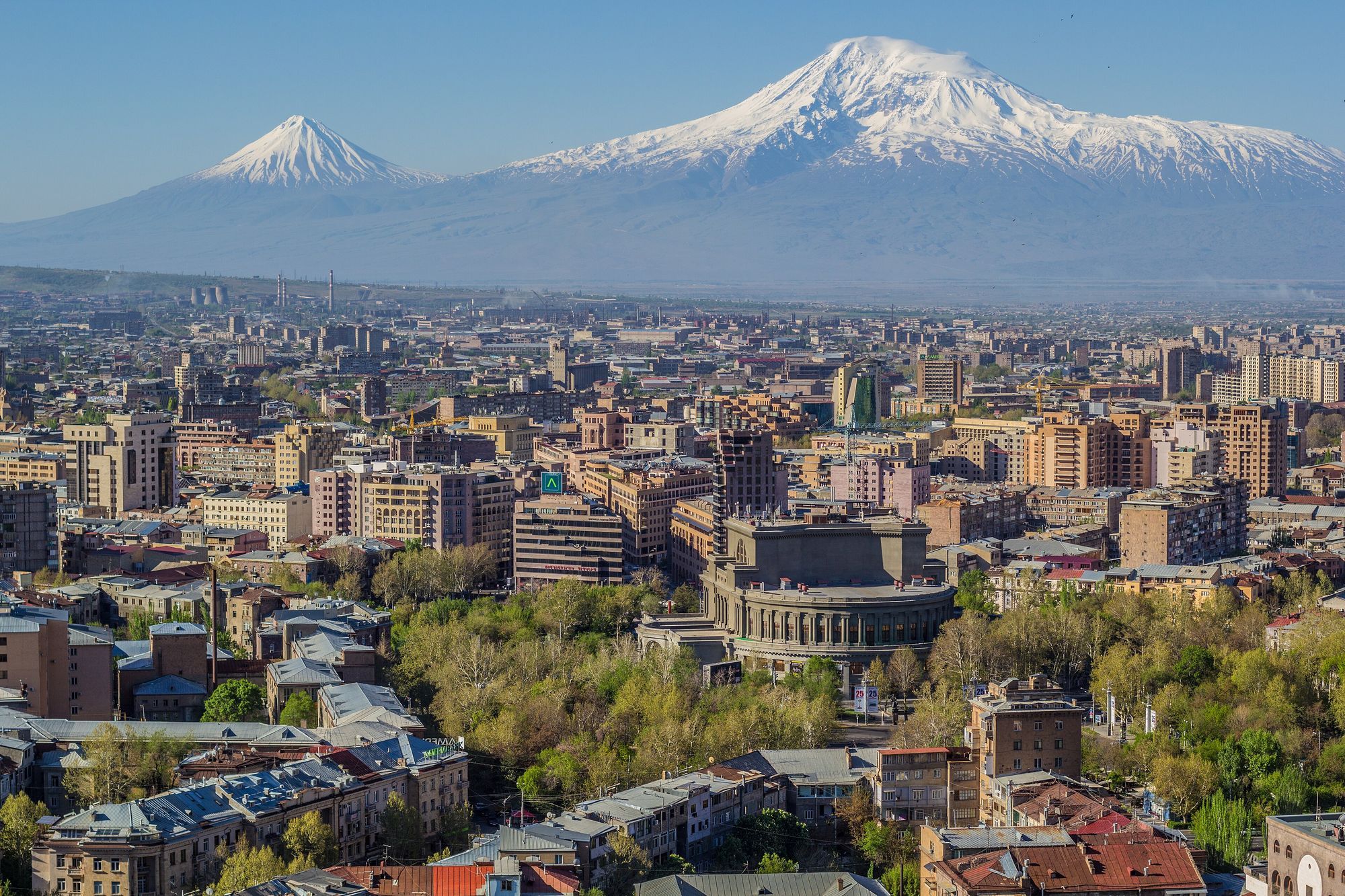
Ararat. The mountain is in Turkey and on the Armenian coat of arms, and Armenians have heard every version of the joke. They usually tell it first.
Photographing people. Ask. Almost everyone says yes, and quite often insists on making you tea afterwards.
08
Still have a question
We answer travel questions whether or not you end up booking anything. It is a reasonable way to spend a morning.